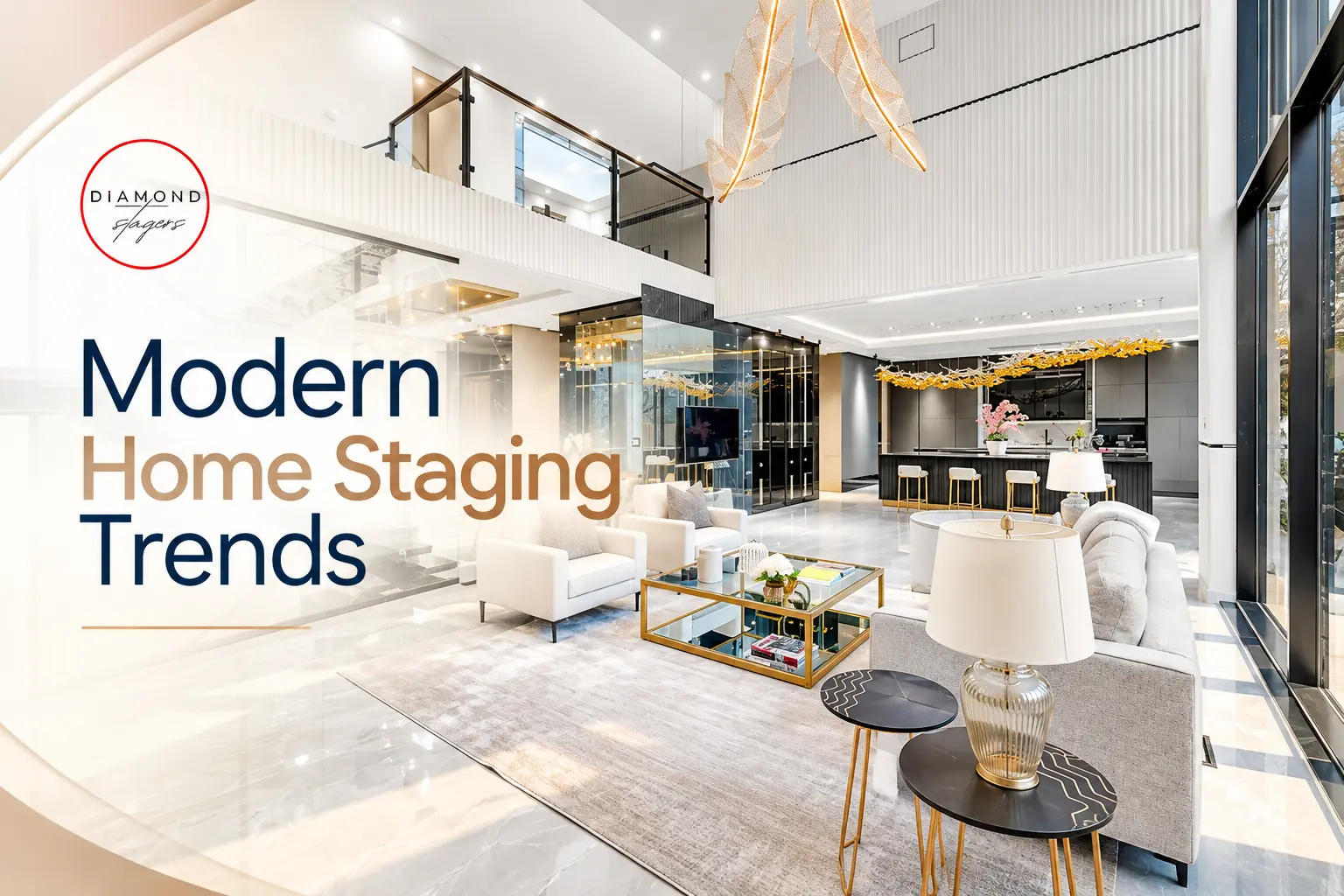
The real estate market continues to evolve, and the way a property is presented can make a significant difference in attracting potential buyers. In 2026, modern home staging is moving beyond simply decorating a property. Today, successful staging focuses on creating an emotional connection, highlighting a home’s best features, and helping buyers imagine themselves living in the space.
Whether you are preparing a property for professional photography, online listings, open houses, or private viewings, understanding current home staging trends can help create a more appealing and memorable presentation.
1. Warm and Natural Interior Design
One of the key home staging trends in 2026 is the use of warm, natural, and inviting interiors. Instead of overly cold or minimal spaces, staged homes are increasingly designed with comfortable textures, natural materials, and subtle decorative elements.
Wood accents, soft fabrics, neutral colors, natural greenery, and organic textures can make a property feel more welcoming. These elements help create an environment where buyers can feel comfortable while still keeping the design broadly appealing.
2. Neutral Colors With Personality
Neutral colors continue to be valuable in home staging because they allow buyers to focus on the property’s architecture and features. However, modern staging does not necessarily mean using plain white everywhere.
Soft beige, warm gray, cream, taupe, and earthy tones can create sophisticated backgrounds. Small touches of carefully selected color through artwork, cushions, rugs, or accessories can add personality without overwhelming the space.
The goal is to create a balanced interior that feels stylish while allowing potential buyers to imagine adding their own personal style.
3. Multi-Functional Spaces
Modern buyers increasingly appreciate homes that can support multiple lifestyle needs. A spare room might function as a home office, guest bedroom, study area, or workout space.
Professional home staging can demonstrate this flexibility by giving rooms clear and practical purposes. Showing how a space can be used helps buyers understand its potential rather than seeing an empty room with no obvious function.
4. Technology-Ready Home Presentation
Technology is becoming an increasingly important part of the home-buying experience. High-quality photography, virtual tours, video walkthroughs, and digital property presentations can help staged homes attract attention online.
A beautifully staged property can look especially impressive when photographed professionally. Clean compositions, balanced furniture placement, and carefully designed rooms can make listing images more engaging across real estate websites and social media platforms.
5. Decluttered and Organized Spaces
Decluttering remains one of the most effective principles of home staging. Buyers want to see the available space, storage options, room proportions, and architectural details.
Removing unnecessary furniture and personal belongings creates a cleaner visual environment. Organized kitchens, closets, bathrooms, and living areas can also help communicate that the property has been carefully maintained.
6. Lighting as a Design Feature
Lighting continues to play a major role in modern home staging. Natural light can make rooms feel larger and more inviting, while layered artificial lighting can add warmth and depth.
Stagers can combine ceiling fixtures, floor lamps, table lamps, and accent lighting to create different moods throughout the property. Clean windows and open curtains can also help maximize available daylight.
7. Lifestyle-Focused Staging
Modern home staging is increasingly focused on showing a lifestyle rather than simply filling rooms with furniture. A dining table can suggest entertaining guests, a comfortable reading corner can create a sense of relaxation, and a professionally styled home office can demonstrate functionality.
This approach helps buyers visualize how the property could fit into their everyday lives.
8. Creating Stronger Buyer Appeal
Ultimately, effective home staging is about presentation, perception, and emotional connection. A well-staged property can highlight its strengths, create a cohesive visual experience, and provide buyers with a clearer understanding of its potential.
In 2026, successful staging combines modern interior design, neutral color palettes, natural elements, functional layouts, thoughtful lighting, decluttering, and lifestyle-focused presentation. These trends can help transform an ordinary property presentation into a polished and inviting experience.
Whether you are a homeowner, real estate professional, or property developer, investing in thoughtful home staging can help your property make a stronger first impression and stand out in an increasingly visual real estate market.