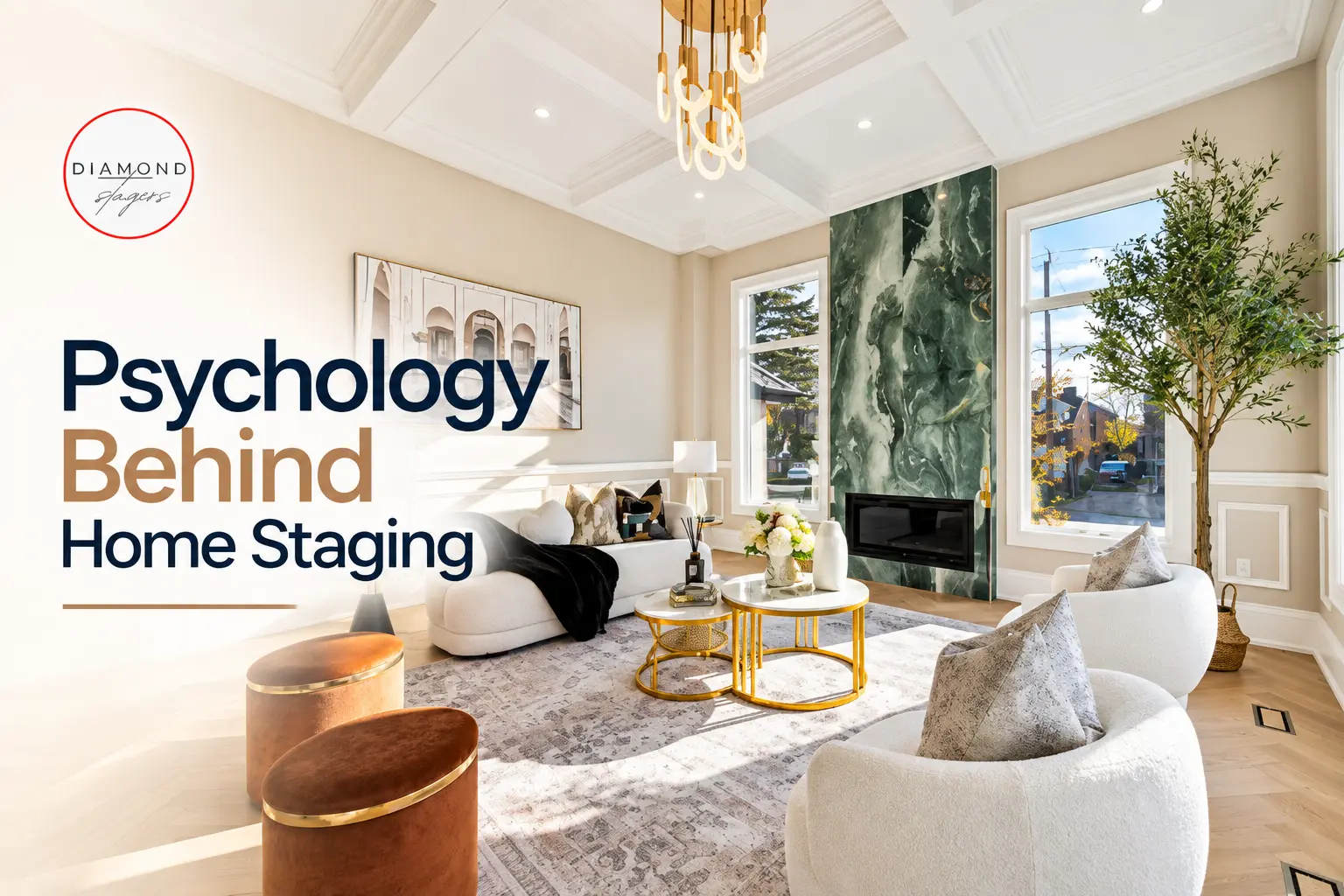
Selling a home is not only about location, price, or square footage. The way a property looks and feels can have a powerful influence on how potential buyers perceive its value. This is where home staging plays an important role. By carefully arranging furniture, selecting the right colors, improving lighting, and creating a welcoming atmosphere, professional home staging can help buyers emotionally connect with a property and imagine themselves living there.
First Impressions Shape Buyer Perception
When buyers enter a home, their first impression can happen within seconds. A clean, organized, bright, and visually appealing space immediately creates a more positive perception. On the other hand, clutter, poor lighting, or outdated décor can make even a beautiful property feel smaller or less desirable.
Home staging focuses on creating an environment that feels comfortable, modern, and inviting. The goal is not simply to make a home look attractive in photographs but to create a strong emotional first impression that continues throughout the viewing experience.
Furniture Placement Influences How Buyers See Space
Furniture arrangement can dramatically change how large or functional a room appears. Oversized furniture may make a room feel crowded, while carefully selected pieces can create an open and balanced layout.
Professional staging uses furniture placement to highlight the purpose of each room. A living room can be arranged to encourage conversation, while a bedroom can be styled to create a peaceful and comfortable atmosphere. This helps buyers understand how they could use the space in their everyday lives.
Colors Can Affect Emotions
Color psychology is another important element of home staging. Different colors can create different emotional responses. Soft neutral tones such as white, beige, gray, and warm earth tones often make rooms feel clean, spacious, and calming.
Bold colors can sometimes distract buyers or make it difficult for them to imagine their own furniture and décor in the home. Neutral color schemes provide a flexible background that allows buyers to focus on the property’s features rather than the homeowner’s personal style.
Lighting Creates Mood and Atmosphere
Lighting can significantly influence the way buyers experience a property. Natural light can make rooms appear larger, brighter, and more welcoming. Stagers often maximize natural light by opening curtains, cleaning windows, and positioning furniture strategically.
Artificial lighting also matters. A combination of ceiling lights, floor lamps, table lamps, and accent lighting can add warmth and depth to different areas of the home. Well-lit spaces generally feel more comfortable and inviting during property viewings.
Decluttering Helps Buyers Visualize Their Future
Personal belongings can make it difficult for buyers to imagine themselves living in a property. Home staging often involves reducing clutter, removing unnecessary decorations, and creating a cleaner visual environment.
A decluttered home allows buyers to focus on important features such as architectural details, flooring, storage, room size, and natural light. It also creates the impression that the property has been well maintained.
Emotional Connection Can Influence Decisions
Buying a home is both a financial and emotional decision. Buyers are not simply looking at walls, rooms, and measurements—they are imagining their future lifestyle.
A thoughtfully staged dining area may help someone imagine family dinners. A comfortable living room can suggest relaxing evenings, while a beautifully styled bedroom can create a feeling of comfort and privacy. These emotional associations can make a property more memorable compared with an empty or poorly presented space.
Home Staging Supports Stronger Marketing
The psychology of design becomes even more important online. Most buyers begin their property search through websites, social media, and real estate platforms. High-quality images of a beautifully staged home can create stronger visual interest and encourage potential buyers to schedule a viewing.
Professional home staging therefore works together with photography, interior design, and real estate marketing to present a property at its best.
Final Thoughts
Home staging is more than decorating a property. It is a strategic approach to creating positive emotions, improving visual appeal, and helping buyers understand the potential of a space. Through thoughtful furniture placement, neutral colors, effective lighting, decluttering, and carefully selected décor, staging can transform how a property is perceived.
Ultimately, successful home staging helps buyers move beyond simply seeing a house and start imagining it as their future home.